
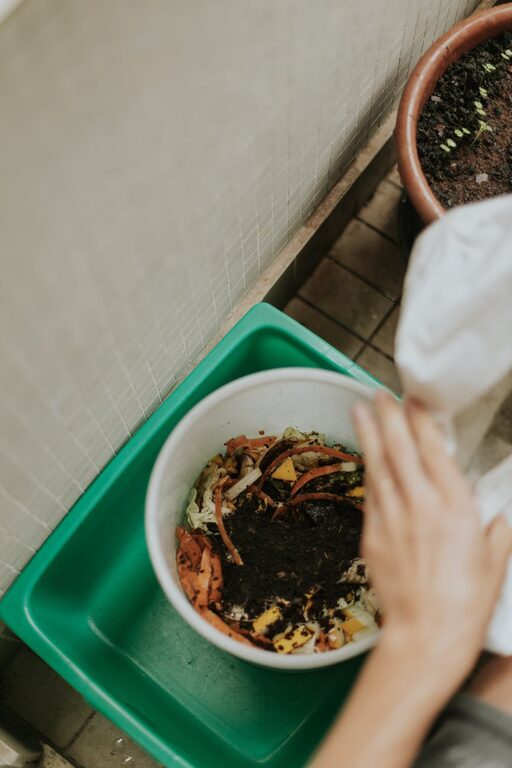
Reducing food waste at home is not only good for the environment but also helps you save money and create a more efficient kitchen. Every year, tons of perfectly edible food are thrown away, contributing to unnecessary landfill waste and greenhouse gas emissions. Fortunately, there are simple steps anyone can take to minimize food waste while still enjoying delicious meals. In this post, we’ll explore practical ways to reduce food waste at home with easy-to-follow tips.
Why Reducing Food Waste Matters
Food waste has significant environmental and economic impacts. When food ends up in the trash, all the energy, water, and resources used to produce it are wasted as well. Reducing food waste helps conserve these resources and reduces methane emissions from landfills. On a personal level, less waste means you get more value from the groceries you buy.
Plan Your Meals Ahead
Create a Weekly Meal Plan
Planning meals in advance is one of the best ways to avoid buying more food than you need. Take some time each week to map out breakfasts, lunches, dinners, and snacks based on what you have and what you want to prepare. This approach reduces impulse purchases that often go unused.
Make a Detailed Shopping List
Use your meal plan to write a precise shopping list. Stick to it when at the store to avoid buying excess items. Checking your pantry and fridge beforehand helps you avoid purchasing duplicates or things you already have.
Store Food Properly
Understand Proper Storage Techniques
Different foods have different storage needs. For example, leafy greens stay fresher when wrapped in a paper towel and stored in a perforated bag, while bread keeps well in a cool, dry place.
Use Clear Containers
Transferring leftovers or opened packages into clear containers can help you see what you have at a glance. This visual reminder makes it less likely that food will be forgotten and spoil.
Label Food with Dates
Label leftovers or opened foods with the date they were stored. This helps you use older items first and reduces the risk of throwing away something that’s still safe.
Practice Mindful Cooking and Eating
Use Leftovers Creatively
Leftovers don’t have to be boring. Use them to create new meals like soups, stir-fries, casseroles, or sandwiches. This can make food more enjoyable while preventing waste.
Portion Control
Serving appropriate portions can prevent uneaten food from being wasted. You can always save seconds for later if you’re still hungry.
Donate Extra Food
If you have surplus non-perishable food items that you won’t use, consider donating them to a local food bank or community center.
Compost Food Scraps
Separate Organic Waste
Composting vegetable peelings, fruit scraps, coffee grounds, and eggshells transforms waste into nutrient-rich soil for gardens. This reduces landfill waste and supports sustainable gardening.
Use a Kitchen Compost Bin
Keep a small container in your kitchen to collect compostable scraps. Empty it regularly into an outdoor compost pile or municipal compost service.
Shop Smart and Buy Less
Buy Only What You Need
Avoid bulk buying unless you’re sure you’ll use everything. Sometimes, smaller quantities or loose items allow better portion control and reduce the chance of spoilage.
Choose Imperfect Produce
Many stores now sell misshapen or slightly blemished fruits and vegetables at discounted prices. Buying these helps reduce food waste at the source and still provides nutritious food.
Keep Track and Improve
Maintain a Food Waste Journal
Track what food you throw away and why. This can help you identify patterns and areas to improve.
Adjust Shopping and Cooking Habits
Based on your observations, refine your meal planning, portions, and shopping list to better match your household’s needs.
—
By implementing these strategies, reducing food waste at home becomes more manageable and rewarding. Not only will your household save money, but you’ll also contribute to a healthier planet. Start small by planning your next shopping trip or organizing your fridge—it all adds up to a big difference.