
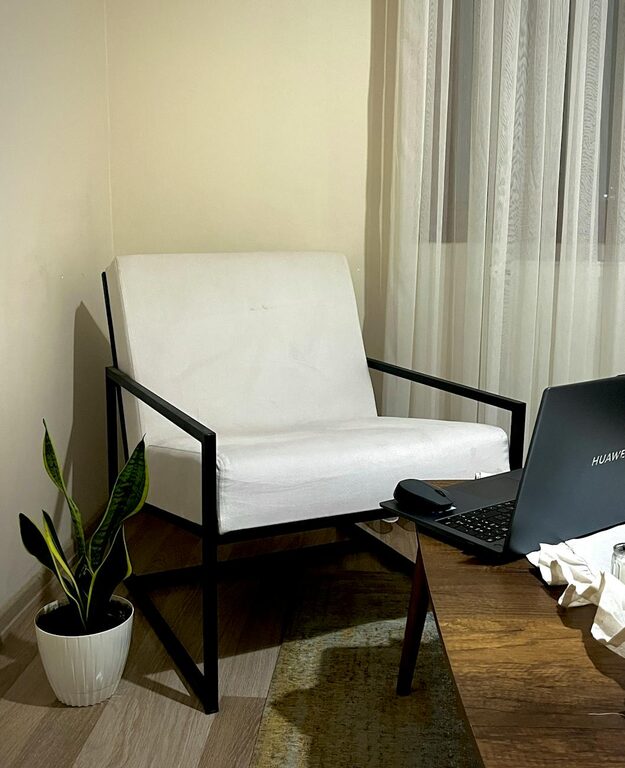
Creating a peaceful and quiet environment at home can significantly improve your comfort and well-being. Whether you live in a busy urban area or have noisy neighbors, there are simple and practical ways to reduce unwanted noise inside your living space. In this post, we’ll explore a variety of methods and tips to help you minimize noise and enjoy a more serene home.
Why Reducing Noise at Home Matters
Noise pollution inside your home can lead to stress, sleep disturbances, and difficulty concentrating. Reducing noise can help improve your mental health, enhance relaxation, and boost overall productivity. By applying some straightforward techniques, you can transform your home into a quiet sanctuary.
Identify the Sources of Noise
Before making changes, it’s helpful to understand where noise is coming from. Common sources include:
– Traffic, sirens, or street noise
– Noisy neighbors or roommates
– Appliances like washing machines or air conditioners
– Echoes and sound reflections inside rooms
Once you’ve pinpointed the sources, you can choose the best strategies to reduce sound transmission.
Simple Ways to Reduce Noise Inside Your Home
1. Use Heavy Curtains or Drapes
Thick, heavy curtains can absorb sound and reduce noise coming through windows. Choose curtains made from dense materials like velvet or wool, and let them hang close to the walls for maximum coverage.
2. Add Rugs or Carpets
Hard floors reflect sound, which can amplify noise inside a room. Area rugs and carpets help absorb sound and reduce echo, making rooms quieter. Consider placing rugs in high-traffic areas or rooms with tile or hardwood floors.
3. Rearrange Furniture Strategically
Placing large furniture such as bookshelves, sofas, or wardrobes against walls shared with noisy neighbors can help block sound. Filled bookshelves especially provide an effective sound barrier.
4. Seal Gaps and Cracks
Small gaps around windows, doors, and electrical outlets allow noise to enter. Use weatherstripping, caulk, or draft stoppers to seal these leaks. This will both reduce noise and improve energy efficiency.
5. Install Door Sweeps
A door sweep or draft stopper installed at the bottom of doors can block noise coming from hallways or other rooms. This is a simple, inexpensive way to reduce sound transfer through door gaps.
6. Use Acoustic Panels or Wall Hangings
Acoustic foam panels or fabric wall hangings absorb echo and reduce noise reflection inside rooms. You can find decorative panels that also add to your home’s style.
7. Create Sound Barriers with Plants
Plants with thick, dense leaves help absorb sound and can act as natural noise barriers indoors. Position them near windows or noisy corners for better effect.
Additional Tips for Outdoor Noise Problems
If noise from outside is an issue, these ideas can help:
– Fence or Hedge: A solid fence or a row of shrubs can block or diffuse outdoor noise.
– Double-Glazed Windows: Consider upgrading your windows to double-glazed versions that offer better sound insulation.
– Exterior Window Shades: Outdoor shades or awnings reduce noise bouncing off hard window surfaces.
When to Consider Professional Help
If noise problems persist despite trying DIY methods, it might be worth consulting with a soundproofing expert. They can evaluate your home and recommend solutions such as adding insulation, installing soundproof drywall, or improving window seals significantly.
Final Thoughts
Reducing noise at home doesn’t always require expensive renovations or complicated fixes. Many simple and affordable methods can make a big difference to your comfort and peace. Start with some of the tips above and enjoy a quieter, more relaxing home environment.
Do you have your own favorite noise-reduction tips? Share your experiences in the comments below!